





Your options
Not Every Dental Problem Needs the Same Procedure.
Tooth Removal
Simple Tooth Extraction
- Removes a tooth that cannot be predictably restored
- Generally performed with local anesthesia
- Often recommended for severe decay or damage
Complex Removal
Surgical Tooth Extraction
- Used when a tooth is broken or difficult to access
- May require additional access through the gum tissue
- Procedure planned around tooth position and anatomy
Tooth Replacement
Dental Implant Surgery
- Places an implant into the jawbone
- Creates support for a replacement tooth
- Can be part of a larger restorative treatment plan
Our team evaluates each case individually. If specialized surgical care is necessary, we'll discuss the appropriate referral options.

Why Oral Surgery
Address the Problem. Protect Your Oral Health.
Relieve Discomfort
Treat the Source of Pain
When a damaged or infected tooth cannot be saved, appropriate surgical treatment may help resolve the underlying problem.
Restore Function
Plan for What Comes Next
Some surgical procedures are the first step toward restoring comfortable chewing and replacing missing teeth.
Prevent Complications
Protect Surrounding Teeth
Removing a severely compromised tooth can help address conditions that may otherwise affect nearby teeth and tissues.
Support Long-Term Health
Make Informed Treatment Decisions
A thorough evaluation helps determine whether surgery is necessary or whether a less invasive dental treatment may be appropriate.
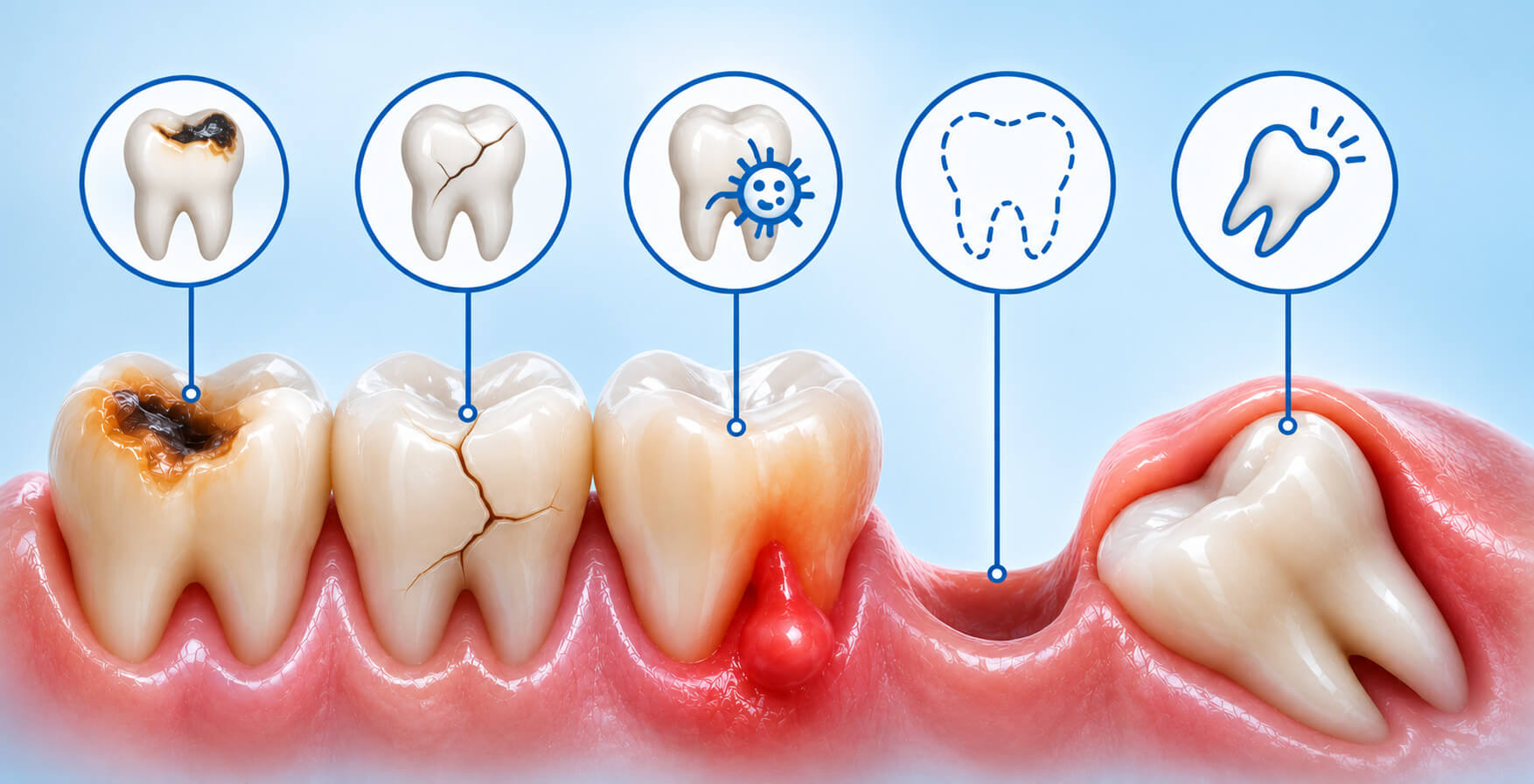
When Surgery May Be Needed
Some Dental Problems Shouldn't Be Left Untreated.
Severe Decay
A Tooth That Cannot Be Restored
When decay has damaged too much tooth structure, extraction may be recommended if a filling, crown, or root canal cannot predictably save it.
Broken Teeth
Damage Below the Gumline
A severely fractured tooth may require surgical removal when it cannot be safely accessed through a routine extraction.
Dental Infection
Persistent Pain or Swelling
Dental infections require professional evaluation. Depending on the condition, treatment may involve root canal therapy, extraction, or another procedure.
Missing Tooth Replacement
Preparing for Dental Implants
Certain surgical procedures may be needed to prepare the mouth for implant-supported tooth replacement.

How It Works
From Evaluation to Recovery, Step by Step.
01
Examination and Diagnosis
Your dentist examines the affected tooth or area and reviews your symptoms, dental history, and overall health. X-rays or other imaging may be recommended.
02
Your Treatment Plan
We explain the findings, whether surgery is necessary, and what alternatives may be available. You'll also learn about the procedure, estimated costs, and recovery expectations.
03
Preparing for Surgery
Before your appointment, our team reviews instructions related to medications, eating, and post-treatment care. Local anesthesia is commonly used for dental surgical procedures.
04
Surgical Treatment
The procedure is performed according to your treatment plan. For an extraction, the tooth is carefully removed using the technique appropriate for its position and condition.
05
Healing and Follow-Up
You'll receive instructions for managing discomfort, protecting the treatment area, and supporting proper healing. Follow-up care is arranged when needed.
Who's on your case
Surgical Dental Care Starts With the Right Team.

Dental Evaluation
Dr. John H. Sabat
Provides comprehensive dental care supported by advanced postgraduate training in implantology, prosthetics, and full mouth reconstruction.

Ongoing Oral Health
Jessica Sabat, RDH
Supports preventive care and ongoing oral hygiene after treatment, helping patients maintain healthier teeth and gums.

Patient Coordination
Treatment Coordinator
Carly helps patients understand scheduling, estimated treatment costs, and insurance considerations.

Treatment Planning
Individualized Surgical Care
We evaluate the condition of your teeth, gums, and surrounding structures before recommending treatment or an appropriate specialist referral.
Recovery & Aftercare
What Happens After Surgery Matters, Too.
Recovery depends on the procedure performed and your individual healing process. Following your dentist's instructions can help reduce the risk of complications.
Manage Discomfort
Some Soreness Is Normal
Temporary tenderness and swelling may occur after treatment. We'll explain what to expect and how to manage discomfort.
Protect The Area
Give the Site Time to Heal
After an extraction, avoid disturbing the blood clot that forms in the socket. Smoking, vigorous rinsing, and drinking through a straw can interfere with early healing.
Adjust Your Diet
Start With Softer Foods
You may need to avoid hard, crunchy, or very hot foods during the initial healing period, depending on your procedure.
Follow-Up Care
Know When to Call
Contact our team if pain becomes worse, bleeding continues, or you develop a fever or concerning swelling. Difficulty breathing or swallowing requires immediate emergency medical attention.
Cost & financing
Understand Your Treatment Before You Commit.
The cost of oral surgery depends on the procedure, its complexity, and whether additional treatment is required.
Procedure-Based Pricing
A routine extraction and a more complex surgical extraction involve different treatment requirements and costs.
Insurance Review
Many dental insurance plans offer coverage for certain medically necessary dental procedures. Our team can help review your available benefits.
Financing Options
Ask about available payment arrangements and financing options when discussing your treatment plan.
Clear Recommendations
We'll explain the recommended procedure, estimated costs, and anticipated recovery so you can make an informed decision.
Patients on the team
Comfort and Communication Matter.
We understand that the possibility of dental surgery can make patients nervous. At Ocean Blue Dental Group, we prioritize clear explanations, thoughtful treatment planning, and making sure patients understand their care. See what our patients say about their experiences with our dental team.


